



Have you ever heard of HCOOCH2H2O? This fascinating compound, known as formic acid monohydrate, is crucial in various scientific and industrial applications. This comprehensive guide will dive deep into HCOOCH2H2O, exploring its chemical structure, properties, and wide-ranging uses. Whether you’re a chemistry enthusiast, a student, or a professional in a related field, this article will provide valuable insights into this critical molecule. From its natural occurrences to its synthetic production, we’ll cover all aspects of HCOOCH2H2O and its significance in our daily lives. So, let’s embark on this chemical journey and unravel the mysteries of formic acid monohydrate!
What is HCOOCH2H2O?
HCOOCH2H2O, or formic acid monohydrate, is a chemical compound formed when one molecule of formic acid (HCOOH) combines with one molecule of water (H2O). This union results in a stable hydrate, where the water molecule is loosely bound to the formic acid molecule. To better understand this compound, let’s break down its components:
- Formic acid (HCOOH): The simplest carboxylic acid found in nature and widely used in industry.
- Water (H2O): The universal solvent for life and many chemical processes.
- Monohydrate: Indicates that one water molecule is associated with each formic acid molecule.
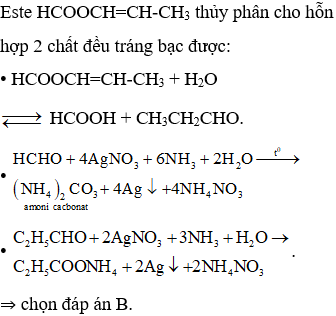
The chemical formula HCOOCH CH2 H2O represents this unique combination, showcasing the intricate balance between the acid and water molecules. This hydrate form of formic acid exhibits properties that differ from pure formic acid, making it valuable in various applications.
Chemical Structure and Properties
The chemical structure of HCOOCH2H2O is fascinating. It consists of a formic acid molecule hydrogen-bonded to a water molecule. This arrangement gives the compound some unique properties:
• Molecular Weight: Approximately 64.04 g/mol
• Appearance: Colorless liquid at room temperature
• Odor: Sharp, pungent smell similar to formic acid
• Boiling Point: Slightly higher than pure formic acid
• Melting Point: Lower than pure formic acid
• Solubility: Highly soluble in water and polar organic solvents
The presence of the water molecule in HCOOCH2H2O affects its physical and chemical properties. It generally makes the compound more stable and less corrosive than anhydrous formic acid. This stability is crucial in many industrial applications where pure formic acid might be too reactive or volatile.
Natural Occurrences of HCOOCH2H2O
While HCOOCH2H2O is often synthesized for industrial use, it also occurs naturally in various environments. Some natural sources include:
- Insect stings: Many ants and bees produce formic acid, which can form HCOOCH2H2O in moist environments.
- Plant secretions: Certain plants release formic acid as a defense mechanism, which can hydrate in the presence of water.
- Soil and water bodies: Microbial activity in these environments can lead to the formation of formic acid and its hydrates.
- Atmospheric processes: Formic acid is present in the atmosphere and can form HCOOCH2H2O through reactions with water vapor.
These natural occurrences of HCOOCH2H2O play essential roles in ecological processes and have inspired many industrial applications.
Industrial Production of HCOOCH2H2O
The industrial production of HCOOCH2H2O involves carefully controlled processes to ensure the right balance of formic acid and water. Here’s a simplified overview of the production process:
- Formic acid synthesis: Producers first create pure formic acid through various methods, such as the carbonylation of methanol or the hydrolysis of methyl formate.
- Hydration: The anhydrous formic acid is then combined with a precise amount of water to form the monohydrate.
- Purification: The resulting HCOOCH2H2O undergoes purification steps to remove any impurities or excess water.
- Quality control: Rigorous testing ensures the final product meets the specifications for purity and concentration.
This industrial production allows for large-scale availability of HCOOCH2H2O for various applications across different sectors.
Applications of HCOOCH2H2O
HCOOCH2H2O is used in various industries due to its unique properties. Let’s explore some of its key applications:
• Chemical Industry: Serves as a starting material for synthesizing other compounds
• Textile Industry: Used in dyeing and finishing processes
• Leather Industry: Aids in the tanning and processing of leather goods
• Agriculture: Acts as a preservative in animal feed
• Pharmaceutical Industry: Used in the production of certain medications
• Food Industry: Serves as a preservative and flavoring agent in some products
• Cleaning Products: Found in some household and industrial cleaners
• Rubber Industry: Aids in the coagulation of latex in rubber production
These diverse applications highlight the versatility and importance of HCOOCH2H2O in modern industry and daily life.
Safety Considerations
While HCOOCH2H2O is generally less hazardous than pure formic acid, it still requires careful handling. Here are some important safety considerations:
- Skin contact: Can irritate; wear protective gloves when handling.
- Eye exposure: May cause severe irritation; use safety goggles.
- Inhalation: Vapors can irritate the respiratory system and work in well-ventilated areas.
- Ingestion: Toxic if swallowed; keep away from food and drinks.
- Flammability: Though less flammable than pure formic acid, it still poses a fire risk.
- Reactivity: Can react with certain metals and potent oxidizing agents.
Always refer to the Safety Data Sheet (SDS) for comprehensive safety information when working with HCOOCH2H2O.
Environmental Impact
The environmental impact of HCOOCH2H2O is an essential consideration in its use and production. Here are some key points:
• Biodegradability: HCOOCH2H2O is generally biodegradable, breaking down into harmless environmental components.
• Aquatic toxicity: In high concentrations, it can harm aquatic life.
• Atmospheric effects: Contributes minimally to air pollution compared to other industrial chemicals.
• Soil impact: Can affect soil pH in high concentrations but generally has low persistence in soil.
Responsible use and proper disposal of HCOOCH2H2O help minimize its environmental impact.
Future Prospects and Research
The future of HCOOCH CH2 H2O looks promising, with ongoing research exploring new applications and improved production methods. Some areas of current interest include:
- Green chemistry: Using HCOOCH2H2O as an environmentally friendly alternative in various processes.
- Energy storage: Exploring its potential in hydrogen storage and fuel cell technologies.
- Advanced materials: Investigating its role in synthesizing novel materials and polymers.
- Pharmaceutical developments: Research new drug formulations using HCOOCH2H2O.
- Agricultural innovations: Developing new pesticides and growth promoters based on formic acid derivatives.
These research directions may lead to exciting new applications and a greater understanding of HCOOCH2H2O’s potential.
Conclusion
HCOOCH2H2O, or formic acid monohydrate, is a remarkable compound that bridges the gap between simple organic acids and more complex chemical structures. Its unique properties, derived from the combination of formic acid and water, make it invaluable in numerous industries and applications. From its natural occurrences in insect stings to its carefully controlled industrial production, HCOOCH2H2O fascinates scientists and proves its worth in various fields.
As we’ve explored in this comprehensive guide, the applications of HCOOCH2H2O span from textiles and leather processing to pharmaceuticals and food preservation. Its relatively safe handling compared to pure formic acid and its effectiveness in many processes ensure its continued importance in industrial chemistry.
However, like all chemical compounds, HCOOCH2H2O requires responsible use and handling. Understanding its safety considerations and environmental impact is crucial for sustainable and ethical application. We expect to see even more innovative applications as research continues to uncover new potential uses for this versatile compound.
Whether you’re a student delving into organic chemistry, a professional in an industry that uses HCOOCH2H2O, or simply a curious mind interested in the chemical world around us, understanding formic acid monohydrate opens up a fascinating realm of chemical interactions and industrial applications. As we continue to push the boundaries of chemical knowledge and technological advancement, compounds like HCOOCH2H2O will undoubtedly play crucial roles in shaping our future.