


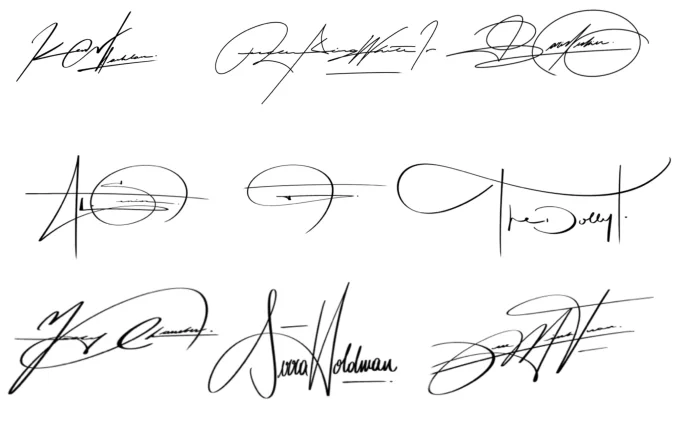
A doctor’s signature holds significant value in the healthcare system. It is more than just a scribble on a piece of paper. This small but powerful mark represents authority, professionalism, and legality. A doctor signature ensures proper communication between patients, healthcare providers, and other stakeholders, whether a prescription, medical report, or insurance form.
This article will explore why a doctor signature is vital, its associated challenges, and how it impacts medical professionals and patients. We’ll also look at some tips for improving signature legibility and discuss the growing trends in digital signatures in modern healthcare.
What is a Doctor’s Signature?
A doctor’s signature is an authorized mark made by a licensed medical practitioner. It authenticates medical documents, prescriptions, referrals, and other official papers and confirms that a certified physician has reviewed and approved the information provided.
For example:
- A prescription with a doctor’s signature ensures that the medication is legally prescribed.
- A medical certificate carries authority only when signed by a licensed doctor.
- Diagnostic reports require a doctor’s signature to validate their accuracy.
Essentially, a doctor’s signature guarantees the document’s credibility and legality.
Why is a Doctor’s Signature Important?
There are several reasons why a doctor’s signature is critical. Let’s break them down:
1. Legal Validation
- A doctor’s signature authenticates medical records.
- It ensures that the documents are accepted as legal proof in courts, insurance claims, or workplace verifications.
- Without a signature, medical documents may be deemed invalid.
2. Patient Safety
- A signature confirms that the doctor has reviewed the patient’s case.
- It reduces errors by ensuring that only authorized personnel can prescribe medications or recommend treatments.
- Patients can trust the authenticity of the advice they receive.
3. Professional Accountability
- A doctor’s signature holds them accountable for their decisions.
- If there’s an issue with a prescription or treatment, the signature can be traced back to the physician responsible.
- This adds a layer of transparency to the healthcare system.
4. Insurance and Billing
- Insurance companies require signed documents to process claims.
- Doctor-signed reports help prevent fraudulent activities.
- They also ensure smooth communication between healthcare providers and insurers.
Challenges with Doctor Signatures
While a doctor’s signature is essential, it comes with its challenges. Some common issues include:
1. Illegible Handwriting
- Many doctors are known for their “messy” handwriting.
- Illegible signatures can lead to misinterpretation of prescriptions or documents, sometimes causing serious consequences.
2. Forgery Risks
- A doctor’s signature is valuable and can be targeted by forgers.
- Fake signatures can lead to fraudulent prescriptions or fake medical certifications.
3. Time Constraints
- Doctors often have to sign multiple documents daily.
- The sheer volume can lead to rushed or inconsistent signatures, affecting clarity.
4. Transition to Digital Signatures
- With the rise of electronic health records (EHRs), digital signatures are becoming more common.
- However, not all healthcare providers have the tools or training to adopt this change seamlessly.
Tips for Doctors to Improve Signature Legibility
To overcome the challenges of illegible handwriting and rushed signatures, doctors can follow these simple tips:
1. Practice Consistent Style
- Develop a unique but consistent style for your signature.
- Avoid overly complicated flourishes that make it unreadable.
2. Use Block Letters
- Incorporate block letters into your signature to enhance clarity.
- This is especially helpful for prescriptions.
3. Set Aside Time
- Allocate specific times to review and sign documents thoroughly.
- Avoid signing in a hurry to reduce errors.
4. Adopt Digital Signatures
- Consider using digital signatures for electronic documents.
- Digital signatures are transparent, secure, and easy to verify.
The Rise of Digital Signatures in Healthcare
In recent years, the healthcare industry has been transitioning to digital systems. This shift includes the adoption of digital signatures. A digital signature is a secure electronic way to authenticate documents. It is legally binding and recognized in most countries.
Benefits of Digital Signatures:
- Improved Legibility: Digital signatures eliminate the issue of messy handwriting.
- Enhanced Security: They are encrypted, making forgery nearly impossible.
- Convenience: Doctors can sign documents remotely using electronic devices.
- Time-Saving: Digital signatures speed up the process of document approval.
- Eco-Friendly: They reduce the need for paper-based documentation.
Despite these advantages, the transition to digital signatures comes with challenges. Hospitals and clinics must invest in secure software and provide adequate training to their staff to ensure successful implementation.
How a Doctor’s Signature Impacts Patients
Patients may not always realize the importance of a doctor signature, but it directly affects their healthcare experience. Here’s how:
1. Trust and Confidence
- A doctor signature reassures patients that their diagnosis or treatment plan has been carefully reviewed.
- It builds trust in the healthcare provider’s expertise.
2. Access to Medications
- Pharmacies require prescriptions with a doctor signature to dispense medications.
- Without it, patients may face delays in receiving essential drugs.
3. Insurance Claims
- Insurance companies need signed medical documents to process claims.
- Patients may struggle to get reimbursed if the documents are incomplete or unsigned.
4. Legal Documentation
- Medical certificates are required for workplace leave, legal cases, or travel purposes.
- Patients rely on these documents to fulfill various personal and professional obligations.
Common Questions About Doctor Signatures
Here are answers to some frequently asked questions about doctor signatures:
1. Can a doctor’s signature be refused by a pharmacy?
If the signature is unclear or doesn’t match the doctor’s registered signature, the pharmacy may refuse to process the prescription.
2. Are digital signatures legally valid?
Absolutely. Digital signatures are as legally binding in most countries as handwritten ones, provided they adhere to relevant regulations.
3. What should I do if I suspect a forged doctor’s signature?
Please report it to the concerned authorities immediately. Forgery is a serious offense and can lead to severe penalties.
4. Can a nurse or assistant sign on behalf of a doctor?
In some instances, authorized medical staff may sign specific documents. However, prescriptions and critical reports typically require the doctor’s direct signature.
Final Thoughts
A doctor’s signature is a small yet powerful tool in the healthcare industry. It ensures the authenticity of medical documents, protects patient safety, and upholds professional accountability. While challenges like illegible handwriting and forgery exist, solutions like digital signatures pave the way for a more efficient and secure future.
Whether handwritten or digital, a doctor’s signature symbolizes trust and professionalism. Both medical professionals and patients must understand the importance of maintaining a transparent and reliable healthcare system.