

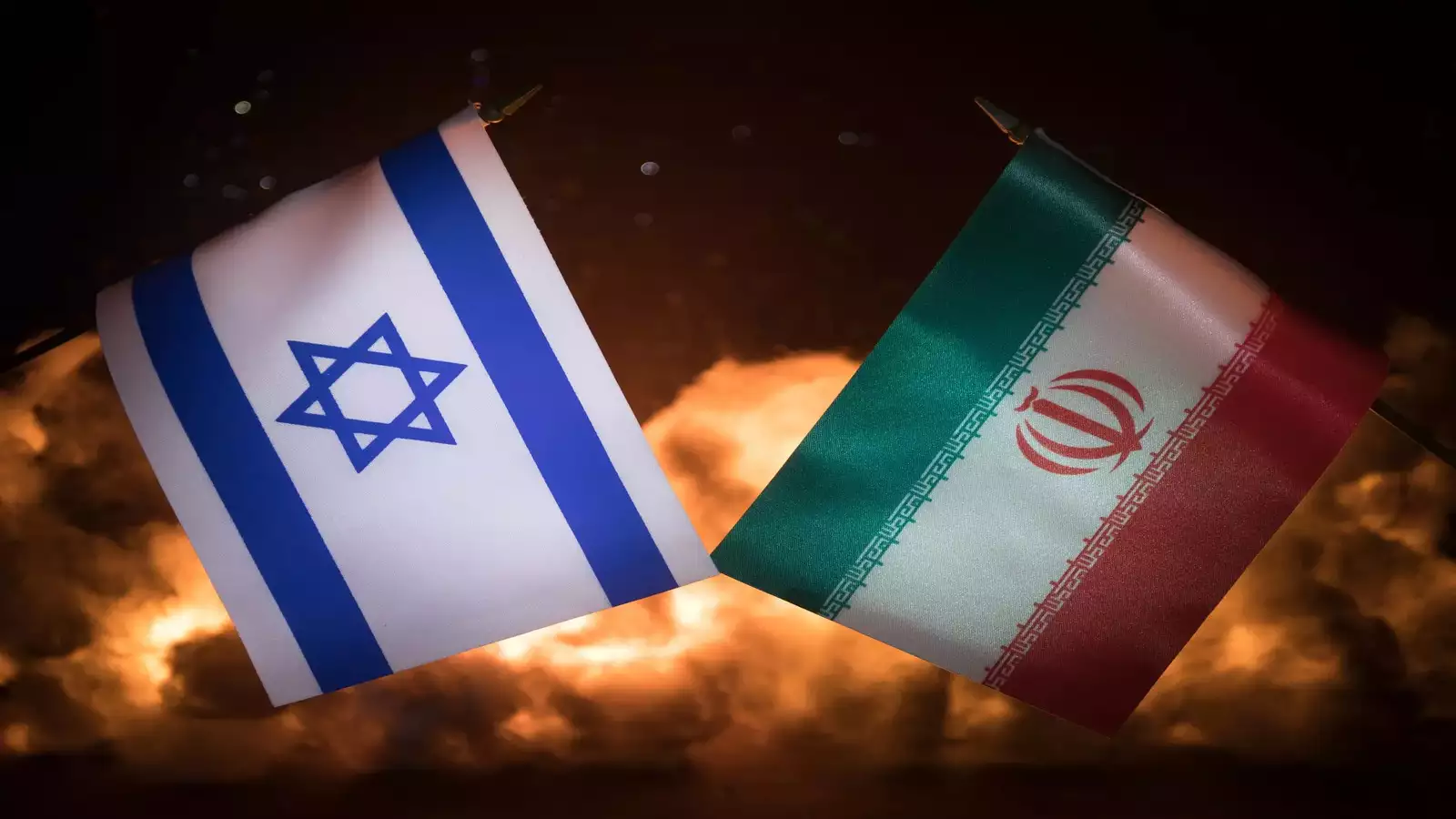
The relationship between Israel and Iran is one of the most complex and contentious in modern geopolitics. Spanning decades of tension, alliances, and sharp ideological divides, this dynamic has shaped the political landscape of the Middle East. This article will explore the history, key developments, and potential future of Israel-Iran relations.
A Brief History of Israel-Iran Relations
The Early Years: Cooperation and Friendship
Before the 1979 Iranian Revolution, Israel Iran shared a relatively strong and cooperative relationship. Under the rule of Shah Mohammad Reza Pahlavi, Iran was one of the few majority-Muslim countries to recognize Israel. The two nations collaborated on trade, intelligence-sharing, and military initiatives.
The Shah viewed Israel as a strategic ally in the region, particularly against Arab states aligned with the Soviet Union. Israeli experts helped Iran develop infrastructure, agricultural technologies, and defense systems during this period.
The Shift: Post-1979 Iranian Revolution
The Iranian Revolution of 1979 was a turning point. Ayatollah Ruhollah Khomeini established an Islamic Republic with a staunchly anti-Israel stance. The new Iranian government rejected Israel’s legitimacy, referring to it as the “Zionist regime.” Iran began supporting groups opposed to Israel, including Hezbollah in Lebanon and Hamas in the Palestinian territories.
This ideological transformation set the stage for decades of hostility. Iran’s leadership framed itself as a defender of Palestinian rights and vowed to resist Israeli “occupation.” On the other hand, Israel viewed Iran’s growing influence in the region as a direct threat to its security.
Key Issues Driving Tensions Between Israel and Iran
Several critical issues fuel the rivalry between Israel and Iran. These factors have deepened mistrust and created a volatile environment in the Middle East.
1. Iran’s Nuclear Program
- Israel views Iran’s nuclear ambitions as an existential threat.
- Iran claims its nuclear program is for peaceful purposes, but Israel and its allies argue that Tehran seeks atomic weapons.
- Israel has opposed U.S.-led negotiations with Iran, such as the 2015 Joint Comprehensive Plan of Action (JCPOA). In contrast, Iran accuses Israel of sabotaging its nuclear facilities and assassinating its scientists.
2. Proxy Conflicts in the Region
- Iran supports militant groups like Hezbollah and Hamas, which have launched attacks against Israel.
- Israel has conducted airstrikes in Syria to prevent weapons transfers from Iran to Hezbollah.
- This proxy warfare has escalated violence across the region, particularly in Lebanon and Syria.
3. Ideological Divide
- Iran positions itself as an anti-Western, anti-Zionist power, while Israel aligns closely with Western nations, particularly the United States.
- The Iranian leadership often uses anti-Israel rhetoric to rally domestic and regional support.
Recent Developments in Israel-Iran Relations
Escalating Tensions in Syria
Syria has become a key battleground in the Israel-Iran rivalry. Iran has deployed military advisers and proxy forces to support the Assad regime during the Syrian Civil War. Israel, in turn, has conducted hundreds of airstrikes targeting Iranian positions in Syria. These strikes aim to prevent Tehran from establishing a permanent military presence near Israel’s borders.
Cyber Warfare
In recent years, cyberattacks have become a new front in the conflict. Israel and Iran have accused each other of launching cyber operations targeting critical infrastructure. For instance:
- In 2020, Israel reportedly disrupted Iran’s Shahid Rajaee port with a cyberattack.
- Iran allegedly retaliated by attempting to hack Israeli water systems.
These cyber skirmishes highlight the evolving nature of modern warfare between the two nations.
The Role of International Players
The Israel-Iran conflict is not confined to the Middle East. It has drawn in major global powers, complicating efforts to find a resolution.
1. The United States
- The U.S. is Israel’s strongest ally and provides significant military and financial aid.
- Washington has imposed severe sanctions on Iran, aiming to curb its nuclear ambitions and regional influence.
- U.S. policy often aligns with Israel’s stance, leading to strained relations with Tehran.
2. Russia and China
- Russia and China maintain closer ties with Iran. They oppose U.S.-led sanctions and advocate for diplomacy.
- Russia’s involvement in Syria has further complicated the dynamics as Moscow seeks to balance its relationships with both Tehran and Jerusalem.
Potential Scenarios for the Future
The future of Israel-Iran relations remains uncertain. Several scenarios could unfold based on regional and international developments.
1. Increased Hostilities
- If Iran continues to expand its proxy networks and nuclear capabilities, Israel may take more aggressive measures.
- Military confrontations in Syria and Lebanon, or even direct strikes on Iran’s nuclear facilities, could escalate.
2. Diplomatic Breakthrough
- Although unlikely in the short term, a shift in leadership or regional priorities could open the door for dialogue.
- International mediation, particularly by neutral powers, might help reduce tensions.
3. Cyber Escalation
- With both nations investing heavily in cyber capabilities, future conflicts may involve more sophisticated cyberattacks.
Why the Israel-Iran Conflict Matters Globally
The Israel-Iran rivalry has far-reaching implications beyond the Middle East.
1. Energy Security
- The Middle East is a key supplier of global energy. Any conflict involving Israel and Iran could disrupt oil and gas markets.
- Straits of Hormuz, a vital shipping route, would be at risk during escalations.
2. Nuclear Proliferation
- If Iran develops nuclear weapons, it could trigger a regional arms race.
- Saudi Arabia, Turkey, and Egypt might pursue their atomic programs, destabilizing global security.
3. Impact on Global Alliances
- The conflict tests the unity of Western alliances, mainly NATO members with differing views on Iran.
- It also strengthens ties among anti-Western states, including Russia, China, and Iran.
Steps Toward De-escalation
While tensions remain high, specific steps could help reduce the risk of conflict:
1. Enhanced Diplomacy
- International efforts should focus on reviving the Iran nuclear deal with stricter safeguards.
- Mediators can encourage Israel and Iran to engage in backchannel communications.
2. Regional Cooperation
- Initiatives like the Abraham Accords, which normalized relations between Israel and several Arab states, could be a model.
- Regional forums help address shared challenges like water scarcity and economic development.
3. Cybersecurity Agreements
- Both nations could benefit from agreements to limit cyberattacks on civilian infrastructure.
Conclusion
The Israel-Iran conflict is a multifaceted and deeply rooted rivalry that continues to shape the Middle East. While the prospects for peace remain slim, understanding the key drivers of this conflict is essential for crafting effective solutions.
Global powers, regional actors, and civil society all have a role to play in reducing tensions and fostering stability. Whether through diplomacy, economic cooperation, or mutual security guarantees, the path forward will require bold leadership and a willingness to compromise.
The stakes are high, not just for Israel and Iran but for the entire world.