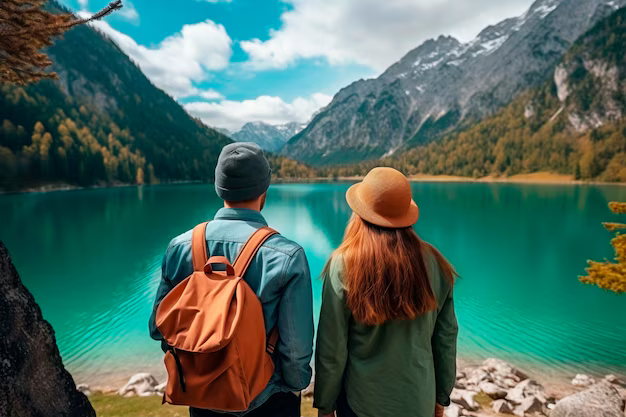


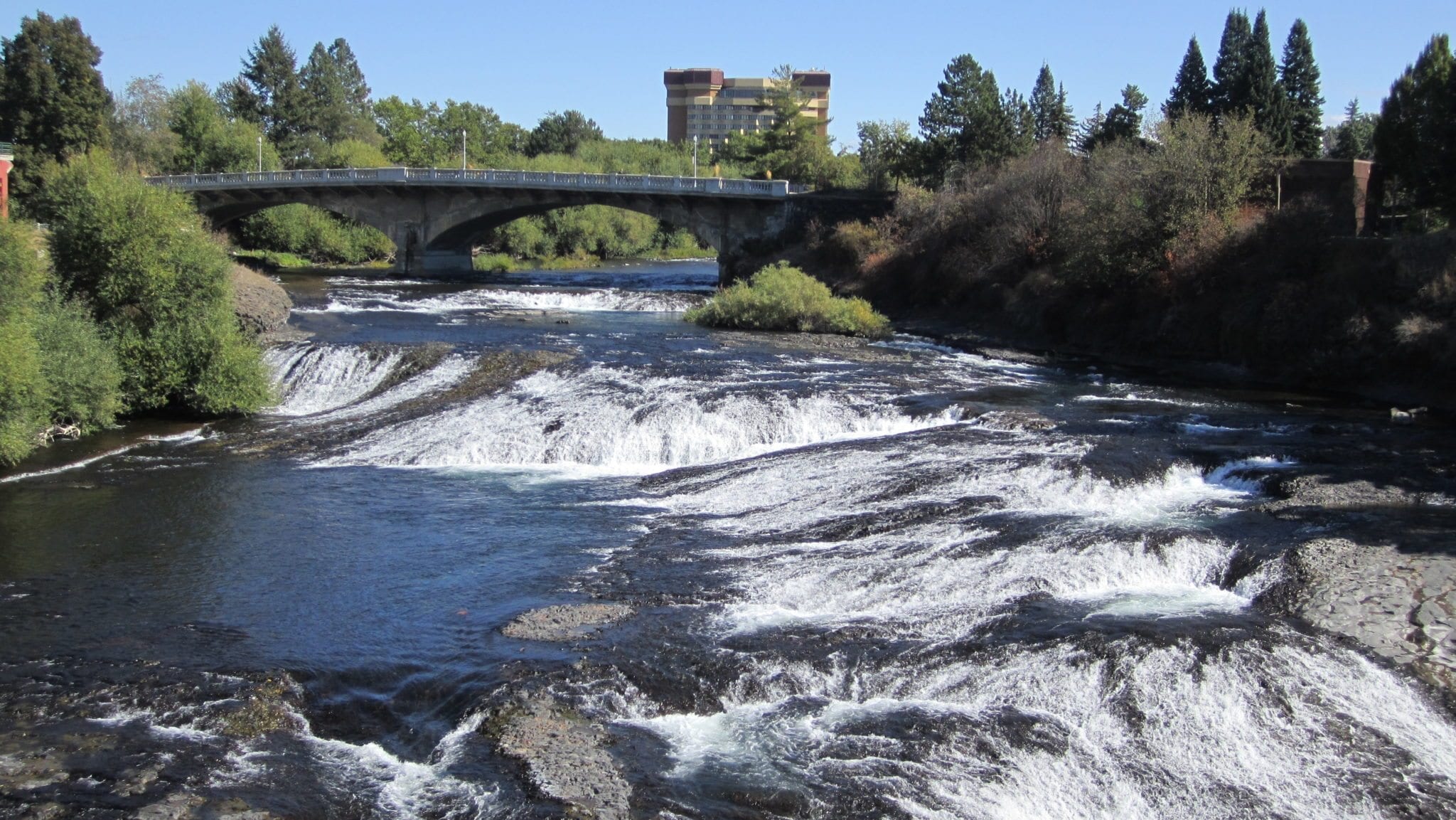
Avista National Park is one of the most breathtaking destinations for nature lovers and outdoor enthusiasts. Known for its pristine landscapes, diverse wildlife, and rich history, it attracts thousands of visitors annually. However, with great beauty comes great responsibility. Protecting this natural treasure has become a top priority, and strict rules are in place to ensure the park remains undisturbed for generations. One of these rules includes imposing fines for damage to the park.
In this article, we’ll discuss everything you need to know about the damage to Avista National Park, including why it exists, how it works, and how to avoid costly mistakes during your visit.
Why Does Avista National Park Impose Damage Fines?
Damage fines are not meant to discourage visitors but to protect the park’s fragile ecosystem. Here’s why they are necessary:
- Preservation of Natural Habitats:
- The park is home to rare plants, animals, and geological formations. Even minor disruptions can have long-term effects on the environment. Damage fines act as a deterrent to prevent careless behavior.
- Preventing Vandalism:
- Graffiti on rocks, carving names into trees, or damaging historic structures are common issues in many national parks. Fines ensure that such actions are taken seriously.
- Encouraging Responsible Tourism:
- The park promotes respect and responsibility among tourists by holding visitors accountable.
- Maintaining Safety:
- Some actions that harm the environment, like off-trail hiking or littering, can also pose safety risks to other visitors. The fines help discourage these behaviors.
What Actions Can Lead to a Damage Fine?
To avoid hefty fines, it’s essential to understand what is considered harmful behavior in Avista National Park. Here’s a list of common infractions that can result in penalties:
- Littering:
- Leaving trash behind, including food wrappers, water bottles, or cigarette butts, can harm wildlife and pollute the environment.
- Off-Trail Hiking:
- Walking off designated trails can damage fragile ecosystems, such as delicate plant roots or nesting areas for wildlife.
- Graffiti and Vandalism:
- Writing, painting, or carving on rocks, trees, or historic structures is strictly prohibited.
- Feeding Wildlife:
- Feeding animals may seem harmless, but it disrupts their natural behaviors and can lead to dependency on humans for food.
- Illegal Camping or Fires:
- Setting up camp in unauthorized areas or starting fires outside designated zones can lead to severe fines due to the risk of wildfires.
- Damaging Vegetation:
- Picking flowers, breaking tree branches, or uprooting plants violates park rules.
How Much Are the Damage Fines?
The fines for damaging Avista National Park can vary depending on the severity of the offense. Here’s an approximate breakdown: avista national park damage fine
- Littering: Fines typically range from $100 to $500, depending on the location and quantity of litter.
- Vandalism: Graffiti or carving on park property can result in fines of $1,000 or more and potential criminal charges.
- Feeding Wildlife: This offense can carry fines between $200 and $1,000, as it directly impacts the animals’ well-being.
- Off-Trail Hiking: Straying off trails may lead to fines of up to $300.
- Illegal Fires: Starting unauthorized fires can result in fines exceeding $1,500, especially during high-risk wildfire seasons.
It’s always best to check the park’s official guidelines to stay updated on specific fines and penalties.
Tips to Avoid Damage Fines at Avista National Park
Preventing fines is simple when you follow the park’s rules and guidelines. Here are some tips to ensure your visit is both enjoyable and responsible:
- Stick to Designated Areas:
- Always stay on marked trails and use designated campsites and picnic zones.
- Pack Out What You Pack In:
- Carry all your trash with you and dispose of it in the proper bins. To reduce waste, consider bringing reusable items like water bottles and food containers.
- Respect Wildlife:
- Observe animals from a distance, and never attempt to feed or touch them. Instead, use binoculars for a closer look.
- Avoid Touching or Taking Natural Items:
- Leave rocks, plants, and other natural objects as you find them. Taking them as souvenirs disrupts the ecosystem.
- Follow Fire Safety Rules:
- Only light fires in designated areas, and ensure they are completely extinguished before leaving.
- Educate Yourself:
- Before your trip, review the park’s official rules and guidelines. Knowledge is the best way to avoid accidental mistakes.

What to Do If You Receive a Fine
Receiving a fine in Avista National Park can be a stressful experience, but it’s essential to handle the situation responsibly. Here’s what you should do:
- Stay Calm and Polite:
- If a park ranger issues a fine, remain respectful and cooperative. Arguing may worsen the situation.
- Understand the Violation:
- If you’re unsure about the reason for the fine, ask for clarification. Understanding your mistake can help you avoid repeating it in the future.
- Pay the Fine Promptly:
- Most fines can be paid online or through mail. Delaying payment may result in additional penalties or legal action.
- Learn from the Experience:
- Use this as an opportunity to reflect on how you can be a more responsible visitor in the future.
Why Responsible Tourism Matters
Avista National Park is more than just a tourist destination—it’s a sanctuary for countless species and a place of inspiration for humans. By following the rules and respecting the environment, you contribute to its preservation. Responsible tourism ensures that future generations can enjoy the same awe-inspiring landscapes and wildlife that we do today.
Final Thoughts
Visiting Avista National Park is a privilege, and the responsibility to protect it comes with that privilege. Damage fines are not meant to ruin your experience but to preserve the park’s beauty and integrity. By understanding the rules, respecting the environment, and practicing responsible tourism, you can enjoy a safe and unforgettable trip while leaving no trace behind.
Remember, the goal is to leave Avista National Park better than you found it. Together, we can ensure this natural wonder remains a treasure for years.