

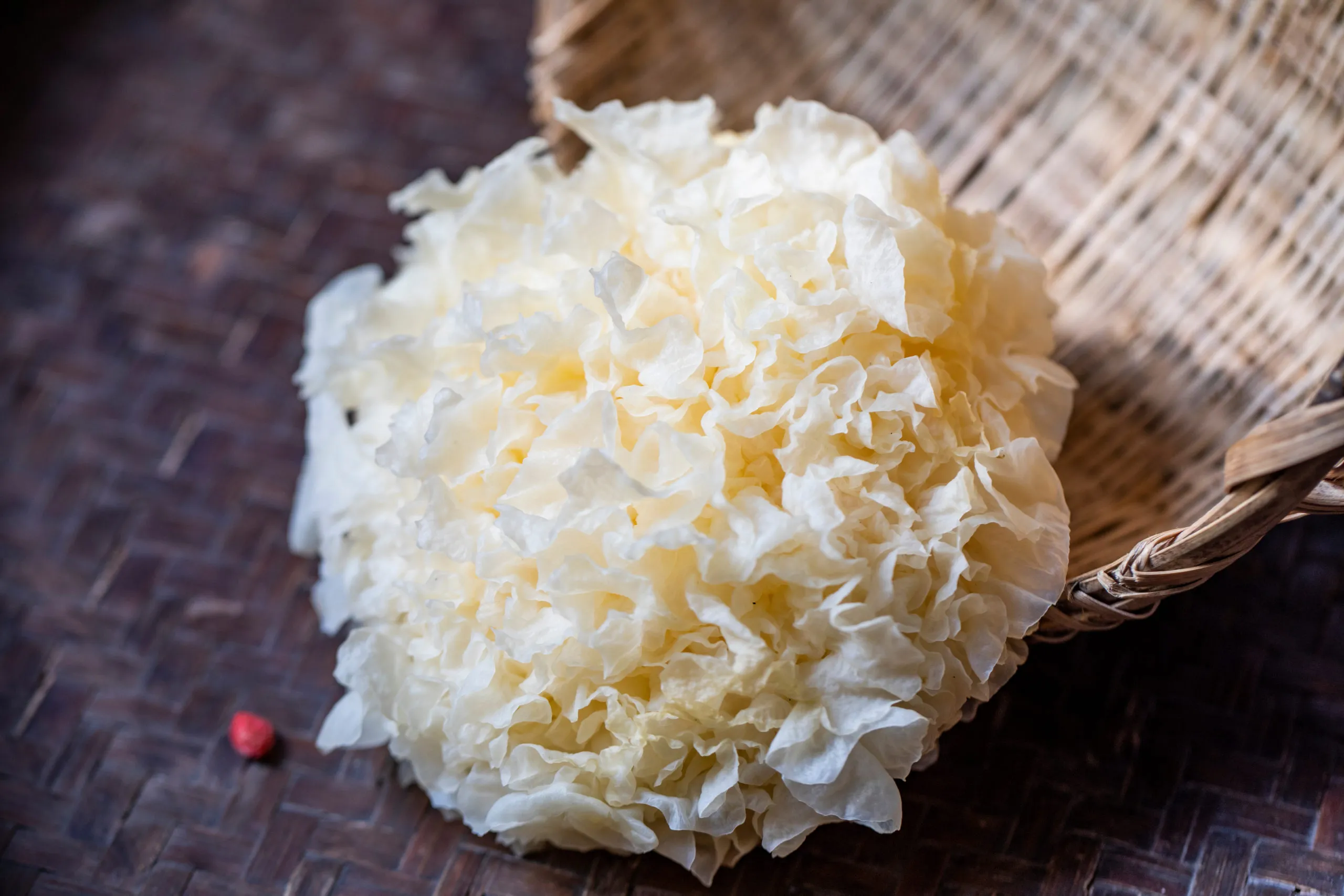
Snow fungus, also known as Tremella fuciformis or white fungus, has been a prized ingredient in Asian cuisine and traditional medicine for centuries. This unique mushroom, with its translucent, jelly-like texture, has gained global recognition for its health benefits, culinary versatility, and skincare properties. In this guide, we’ll explore everything you need to know about snow fungus, from its nutritional value to practical uses and easy recipes.
What Is Snow Fungus?
Snow fungus is an edible mushroom that grows on tree bark in warm, humid climates. Its appearance resembles a fluffy, cloud-like structure, which is why it’s often called “white jelly mushroom.” While it’s most commonly associated with Chinese cuisine, snow fungus has found its way into various dishes and beauty products worldwide.
Nutritional Value of Snow Fungus
Snow fungus is low in calories but packed with essential nutrients, making it a healthy addition to your diet. Here’s what you’ll find in this superfood:
- Dietary Fiber: Supports digestion and promotes gut health.
- Polysaccharides: Boosts immunity and provides anti-inflammatory benefits.
- Vitamins and Minerals: Contains small amounts of Vitamin D, calcium, and iron.
- Antioxidants: Fights free radicals and supports overall health.
With these nutrients, snow fungus is a powerhouse for those seeking a natural way to enhance their well-being.
Health Benefits of Snow Fungus
Including snow fungus in your diet or skincare routine can lead to several health benefits. Here are some of the most notable advantages:
1. Promotes Skin Hydration
Snow fungus is often compared to hyaluronic acid due to its ability to retain water. It keeps your skin hydrated, plump, and youthful.
2. Boosts Immune System
The polysaccharides in snow fungus strengthen the immune system, helping the body fight infections and illnesses.
3. Supports Heart Health
Studies suggest that snow fungus may lower cholesterol levels and improve cardiovascular health.
4. Fights Aging
Rich in antioxidants, snow fungus combats free radicals, reducing oxidative stress and slowing signs of aging.
5. Improves Gut Health
The dietary fiber in snow fungus aids digestion and promotes a healthy gut microbiome.
How to Use Snow Fungus
Snow fungus is incredibly versatile and can be used in a variety of ways. Here are some common uses:
1. Culinary Uses
Snow fungus is often added to soups, desserts, and teas. Its mild flavor makes it an excellent ingredient for both sweet and savory dishes.
2. Skincare Products
Many beauty brands include snow fungus extracts in their moisturizers, serums, and face masks for its hydrating and anti-aging properties.
3. Traditional Medicine
In traditional Chinese medicine, snow fungus is used to treat dry coughs, boost energy, and improve overall health.
Easy Recipes with Snow Fungus
Ready to try snow fungus at home? Here are a few easy recipes to get you started:
1. Snow Fungus and Red Date Soup
A classic Chinese dessert that’s both nourishing and delicious.
Ingredients:
- 1 large snow fungus (soaked and cleaned)
- 10 red dates
- 50g rock sugar
- 1.5 liters of water
Instructions:
- Soak snow fungus in water for 1-2 hours until soft. Remove the hard stem and tear it into small pieces.
- Add snow fungus, red dates, and water to a pot. Bring to a boil.
- Reduce the heat and simmer for 1 hour.
- Add rock sugar, stir until dissolved, and serve warm.
2. Snow Fungus Smoothie
A refreshing drink packed with nutrients.
Ingredients:
- 1 cup cooked snow fungus
- 1 banana
- 1 cup almond milk
- 1 tablespoon honey
Instructions:
- Blend all ingredients until smooth.
- Serve chilled for a nutritious snack.
Tips for Buying and Storing Snow Fungus
To get the most out of snow fungus, follow these tips:
- Buying: Look for dried snow fungus at Asian grocery stores or online. Choose pieces that are light in color and free of dark spots.
- Storing: Keep dried snow fungus in an airtight container in a cool, dry place. Once rehydrated, store it in the fridge and use it within a few days.
Fun Facts About Snow Fungus
- Nicknames: Snow fungus is also known as silver ear fungus or white tree ear.
- History: It has been used in Chinese medicine for over 2,000 years.
- Skincare Secret: Empress Dowager Cixi of the Qing Dynasty reportedly used snow fungus to maintain her youthful appearance.
Frequently Asked Questions About Snow Fungus
Here are answers to some common questions about snow fungus:
1. Is snow fungus safe to eat?
Yes, snow fungus is safe to eat and is widely consumed in various cuisines. However, ensure you clean and cook it properly before consumption.
2. Does it have a taste?
Snow fungus has a mild, almost neutral flavor. It absorbs the flavors of the ingredients it’s cooked with, making it versatile for recipes.
3. Can I use snow fungus daily?
Yes, snow fungus can be consumed daily in moderate amounts. Its health benefits make it a great addition to a balanced diet.
Conclusion
Snow fungus is more than just a culinary ingredient—it’s a nutritional powerhouse with remarkable health and skincare benefits. Whether you’re looking to improve your diet, enhance your skincare routine, or try new recipes, snow fungus is a versatile and natural choice. Give it a try today and discover why this ancient superfood is making waves in modern wellness trends!