

The NBA never fails to deliver excitement, and the recent Chicago Bulls vs Lakers match was no exception. This clash of titans brought together two of the league’s most storied franchises, each with a rich history and a roster full of talent. Today, we’re diving deep into the player stats from this thrilling encounter, breaking down the numbers that shaped the game’s outcome and highlighting the standout performances that left fans on the edge of their seats.
We’ll uncover the stories behind the numbers as we explore the stats of the Chicago Bulls vs. Lakers match player. From jaw-dropping scoring runs to defensive masterclasses, this game had it all. We’ll analyze key players’ contributions, examine team dynamics, and reveal how individual performances influenced the final result. Whether you’re a die-hard fan of either team or a basketball enthusiast, this statistical breakdown will give you a new appreciation for the skill and strategy on display in this epic showdown.
Get ready to dive into a world of field goal percentages, assists, rebounds, and more as we dissect the Chicago Bulls vs Lakers match player stats. We’ll explore how each team’s stars lived up to their reputations, which role players stepped up when it mattered most, and how the coaches’ strategies played out on the court. By the end of this article, you’ll have a comprehensive understanding of the game’s ebb and flow, backed by complex data and expert analysis.
Let’s tip off our analysis by looking at the starting lineups for both teams:
Chicago Bulls Starting Five:
- Zach LaVine (SG)
- DeMar DeRozan (SF)
- Nikola Vucevic (C)
- Coby White (PG)
- Patrick Williams (PF)
Los Angeles Lakers Starting Five:
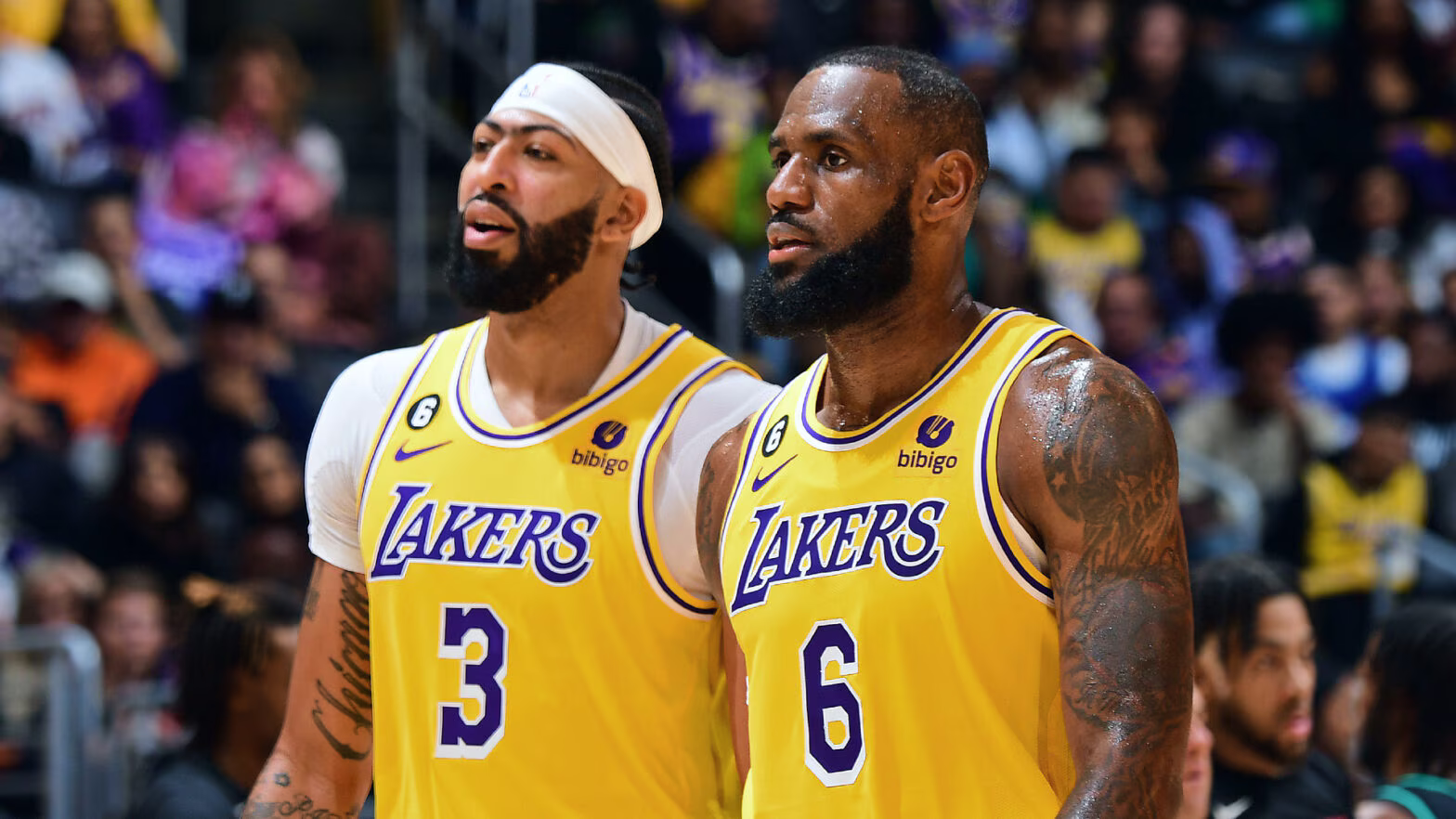
- LeBron James (SF)
- Anthony Davis (PF)
- D’Angelo Russell (PG)
- Austin Reaves (SG)
- Jarred Vanderbilt (C)
These lineups set the stage for an intense battle, with each team boasting a mix of veteran leadership and young talent. Now, let’s break down the key statistical categories that defined this game.
Scoring Leaders: The Battle for Buckets
In any NBA game, putting points on the board is crucial, and this matchup was no different. Let’s look at the top scorers from each team:
Chicago Bulls:
• Zach LaVine: 28 points
• DeMar DeRozan: 25 points
• Nikola Vucevic: 18 points
Los Angeles Lakers:
• LeBron James: 32 points
• Anthony Davis: 27 points
• D’Angelo Russell: 15 points
Zach LaVine led the charge for the Bulls, showcasing his elite scoring ability with 28 points. His performance was a testament to his offensive versatility, as he scored from beyond the arc, in the mid-range, and at the rim. LaVine’s efficiency was impressive, shooting 11-of-20 from the field and 4-of-8 from three-point range.
Not to be outdone, LeBron James reminded everyone why he’s considered one of the greatest players ever. The King dropped 32 points on an efficient 13-of-23 shooting, including several clutch baskets in the fourth quarter. James’ ability to take over games was fully displayed even at this stage of his career.
DeMar DeRozan and Anthony Davis also had strong offensive showings, contributing 25 and 27 points, respectively. Their consistent scoring kept their teams in the game and provided a solid foundation for their teammates to build upon.
Rebounding: The Battle on the Boards
Controlling the glass is often a key factor in determining the outcome of a game. Let’s examine how the teams fared in the rebounding department:
Chicago Bulls:
• Nikola Vucevic: 14 rebounds (5 offensive, nine defensive)
• Patrick Williams: 8 rebounds (2 offensive, six defensive)
• Zach LaVine: 6 rebounds (1 offensive, five defensive)
Los Angeles Lakers:
• Anthony Davis: 15 rebounds (4 offensive, 11 defensive)
• LeBron James: 9 rebounds (2 offensive, seven defensive)
• Jarred Vanderbilt: 8 rebounds (3 offensive, five defensive)
The rebounding battle was closely contested, with both teams showing strength on the glass. Nikola Vucevic and Anthony Davis led their respective teams, each pulling down double-digit rebounds. Their efforts were crucial in limiting second-chance opportunities for the opposition and securing possessions for their teams.
Patrick Williams and Jarred Vanderbilt also made significant contributions to the rebounding department. Their work on the boards, particularly on the defensive end, helped their teams maintain possession and initiate fast breaks.
Playmaking: Dishing Out Dimes
Assists are a key indicator of team play and offensive flow. Let’s look at the top playmakers from the Chicago Bulls vs Lakers match:
Chicago Bulls:
• Coby White: 8 assists
• DeMar DeRozan: 6 assists
• Zach LaVine: 5 assists
Los Angeles Lakers:
• LeBron James: 11 assists
• D’Angelo Russell: 7 assists
• Austin Reaves: 5 assists
LeBron James showcased his exceptional court vision and passing ability, leading all players with 11 assists. His playmaking was instrumental in creating open looks for his teammates and keeping the Lakers’ offence running smoothly.
Coby White stepped up as the primary facilitator for the Bulls, dishing out eight assists. His ability to penetrate the defence and find open shooters helped create scoring opportunities for his teammates.
DeMar DeRozan and D’Angelo Russell contributed significantly in the playmaking department, using their scoring threats to draw defenders and create openings for their teammates.
Defensive Standouts: Steals and Blocks
Defence wins championships, and both teams had players who made their presence felt on the defensive end. Let’s examine the standout defensive performances:
Chicago Bulls:
• Alex Caruso: 3 steals, one block
• Patrick Williams: 2 steals, two blocks
• Nikola Vucevic: 1 steal, two blocks
Los Angeles Lakers:
• Anthony Davis: 3 blocks, one steal
• LeBron James: 2 steals, one block
• Jarred Vanderbilt: 2 steals, one block
Alex Caruso, known for his defensive prowess, lived up to his reputation with three steals and a block. His ability to disrupt the Lakers’ offence and create turnovers was a key factor in keeping the Bulls competitive throughout the game.
Anthony Davis anchored the Lakers’ defence, swatting away three shots and altering countless others. His presence in the paint forced the Bulls to adjust their offensive strategy and settle for more outside shots.
Patrick Williams and Jarred Vanderbilt also made significant defensive contributions, using their length and athleticism to contest shots and force turnovers.
Efficiency Matters: Field Goal Percentages
Shooting efficiency can often be the difference between victory and defeat. Let’s analyze the field goal percentages of key players:
Chicago Bulls:
• Zach LaVine: 55% (11-of-20)
• DeMar DeRozan: 52% (11-of-21)
• Nikola Vucevic: 50% (7-of-14)
Los Angeles Lakers:
• LeBron James: 56.5% (13-of-23)
• Anthony Davis: 61.1% (11-of-18)
• D’Angelo Russell: 46.2% (6-of-13)
Both teams showcased impressive shooting efficiency, with several players shooting over 50% from the field. Anthony Davis led all players with a remarkable 61.1% shooting percentage, making the most of his opportunities in the paint and from mid-range.
Zach LaVine and LeBron James also displayed their scoring prowess, shooting 55% and 56.5%, respectively. Even under pressure, their ability to score efficiently kept their teams in contention throughout the game.
Three-Point Shooting: Beyond the Arc
In today’s NBA, three-point shooting can make or break a game. Let’s examine how both teams fared from downtown:
Chicago Bulls:
• Zach LaVine: 50% (4-of-8)
• Coby White: 42.9% (3-of-7)
• Nikola Vucevic: 33.3% (2-of-6)
Los Angeles Lakers:
• Austin Reaves: 50% (3-of-6)
• LeBron James: 37.5% (3-of-8)
• D’Angelo Russell: 33.3% (2-of-6)
Zach LaVine’s hot hand from beyond the arc significantly influenced the Bulls’ offensive success. His 50% three-point shooting stretched the Lakers’ defence and created space for his teammates to operate.
Austin Reaves matched LaVine’s three-point efficiency for the Lakers, providing crucial floor spacing and knocking down timely shots when called upon.
Both teams had solid contributions from beyond the arc, with the three-point shot playing a significant role in the game’s ebb and flow.
Free Throw Shooting: Points at the Line
Free throws can often be the deciding factor in close games. Let’s look at how the teams performed at the charity stripe:
Chicago Bulls:
• DeMar DeRozan: 100% (3-of-3)
• Zach LaVine: 100% (2-of-2)
• Coby White: 100% (2-of-2)
Los Angeles Lakers:
• LeBron James: 75% (3-of-4)
• Anthony Davis: 83.3% (5-of-6)
• Austin Reaves: 100% (2-of-2)
Both teams showed composure at the free-throw line, with several players shooting perfect percentages. DeMar DeRozan, known for his mid-range game and ability to draw fouls, capitalized on his opportunities at the line.
Anthony Davis’ 5-of-6 performance from the free-throw line was crucial for the Lakers, as he was able to punish the Bulls for their physical defence in the paint.
Bench Contributions: The X-Factor
A strong bench can often be the difference-maker in tight contests. Let’s examine the key contributions from each team’s reserves:
Chicago Bulls Bench:
• Alex Caruso: 8 points, three steals, four rebounds
• Ayo Dosunmu: 7 points, two assists
• Andre Drummond: 6 points, seven rebounds
Los Angeles Lakers Bench:
• Rui Hachimura: 11 points, 5 rebounds
• Taurean Prince: 8 points, three rebounds
• Christian Wood: 6 points, four rebounds
The Bulls’ bench provided solid contributions, with Alex Caruso’s all-around performance standing out. His defensive intensity and timely scoring boosted the Bulls when the starters needed rest.
Rui Hachimura led the bench unit for the Lakers with 11 points and five rebounds. His ability to score in bunches provided a much-needed offensive spark when the Lakers’ starters were struggling.
Game Flow and Key Moments
To truly understand the Chicago Bulls vs Lakers match player stats, we need to consider the game’s flow and pivotal moments:
- First Quarter: The Lakers jumped out to an early lead, fueled by LeBron James’ 10 points and three assists. The Bulls kept it close thanks to Zach LaVine’s hot start, scoring 8 points in the opening frame.
- Second Quarter: The Bulls’ bench unit, led by Alex Caruso, firmly pushed to take the lead. Caruso’s defensive energy resulted in 2 steals that led to fast-break points.
- Third Quarter: Anthony Davis took over for the Lakers, scoring 12 points and six rebounds. The Bulls countered with a balanced attack, with DeRozan and Vucevic each contributing 8 points.
- Fourth Quarter: The game came down to the wire, with both teams trading baskets. LeBron James closed out strong for the Lakers, scoring 10 points in the final five minutes. Zach LaVine responded with clutch three-pointers for the Bulls, keeping the game close until the final buzzer.
Conclusion: The Numbers Tell the Story
As we wrap up our analysis of the Chicago Bulls vs Lakers match player stats, it’s clear that this game showcased individual brilliance and team strategy. The statistical breakdown reveals a closely contested battle, with both teams demonstrating their strengths and exploiting matchups.
Key takeaways from the game include:
• The star power of LeBron James and Zach LaVine, who led their teams in scoring and made crucial plays down the stretch.
• The importance of efficient shooting, with both teams boasting multiple players shooting over 50% from the field.
• The impact of role players like Alex Caruso and Rui Hachimura, whose contributions off the bench kept their teams competitive.
• The defensive presence of Anthony Davis and the Bulls’ team defence forced tough shots and created turnovers.
This statistical deep dive showcases the complexity and excitement of NBA basketball. Every possession counts, and a combination of individual brilliance, team chemistry, and strategic adjustments often determines the final score.
As fans, we’re fortunate to witness games like this Chicago Bulls vs Lakers matchup, where the numbers tell a story of skill, determination, and the relentless pursuit of victory. Whether you’re a die-hard supporter of either team or simply a lover of the game, these player stats offer a window into the intricacies that make basketball such a captivating sport.